
Beauty care and aging go hand in hand, because aging affects everyone; however, its manifestations are influenced by various physiological, biological, and environmental factors. This is determined by our genes, hormonal processes, body type, and skin type. In women with thin, porcelain-like skin, as they get older, the skin become even thinner, covered with a network of fine wrinkles, whereas women with thick, resilient skin will primarily be concerned about visible changes to the oval of their face. Specific problems such as skin pigmentation, rosacea, and the like may also occur. The most significant changes associated with aging begin, on average, at age 45.
Factors Affecting the Skin After Age 45
- Decreased synthesis of collagen and elastin. Since collagen and elastin are the main structural proteins, composed of amino acids, these are the proteins that provide skin with its elasticity and firmness. As their synthesis slows down in both the dermis and the deeper layers of the skin, a gradual loss of skin firmness is observed. Wrinkles appear, and the shape of the face changes. Unwanted wrinkles may appear around the eyes and lips.
- The skin moisture level decreases. Over the years, the rate of cell division slows, the thickness of the epidermis decreases, and the ability of stratum corneum to retain water weakens. Sebum secretion in the hydrolipidic film, which covers the surface of the skin, also gradually decreases. As a result, the skin barrier function is impaired. The skin becomes drier, fine lines appear, and signs of skin irritation may develop.
- The resurgence of pigmentation issues. The appearance of hyperpigmentation is associated with changes in melanin production caused by UV radiation.
- The significant impact of hormonal changes. The premenopausal and menopausal periods are characterized by very significant and far-reaching hormonal changes that have a major impact on the condition of the skin. As estrogen levels gradually decline—the process that triggers changes throughout the endocrine system—the skin becomes thinner, drier, and more prone to inflammation.

Tips for Proper Daily Skin Care
- Choose products that offer anti-aging benefits. The key is—collagen synthesis stimulation. Typically, these products are marketed as: LIFTACTIVE, COLLAGEN BOOSTER. Look for “peptides” in the list of ingredients. Peptides stimulate collagen synthesis in the skin, increase its density, reduce the depth of wrinkles, and effectively firm the skin.
You may want to pay attention to products marketed as “ANTI-AGING” that contain patented plant extracts with proven antioxidant effects. As a result, you’ll have a refreshed and more youthful appearance. - Choose products that also provide moisturization. For example, the ingredient with the INCI name Saccharine Isomerate. A natural (plant-based) carbohydrate that provides deep, long-lasting (+48 h) skin hydration. This substance is able to attract water and helps improve the ability of skin to retain moisture over a longer period of time. It works similarly to NMF (Natural Moisturizing Factor). As a result, the skin is moisturized, promoting its elasticity and helping to restore the protective barrier. It reduces skin irritation, which is particularly important for dry or dehydrated skin and sensitive skin. Hyaluronic acid is also an effective moisturizer.
- Sun protection (UV radiation). Since UV radiation has been shown to have a negative effect on the skin, you should always remember to finish your daily makeup routine with a product labeled with a sun protection factor SPF . Whether you use BB cream, CC cream, foundation, powder, or similar products for your daytime makeup, you should make sure they contain SPF. Therefore, your base face cream does not need to contain SPF, as the SPF factors do not add up mathematically, and SPF can increase skin irritation.
- Choose products that support skin’s natural protective barrier. For example, the ingredient—INCI name Squalane. A natural lipid that strengthens the skin’s natural protective barrier, balances oil production, and maintains its moisture levels. It has anti-inflammatory properties, providing relief from skin conditions such as eczema and acne.
- Develop your own daily skincare routine. Stick with it and use the products consistently to maintain the beneficial effects.
- Choose to take various dietary supplements from time to time. Omega-3 fatty acids, various vitamin complexes, and products with antioxidant properties will provide excellent support for skin health from the inside out.

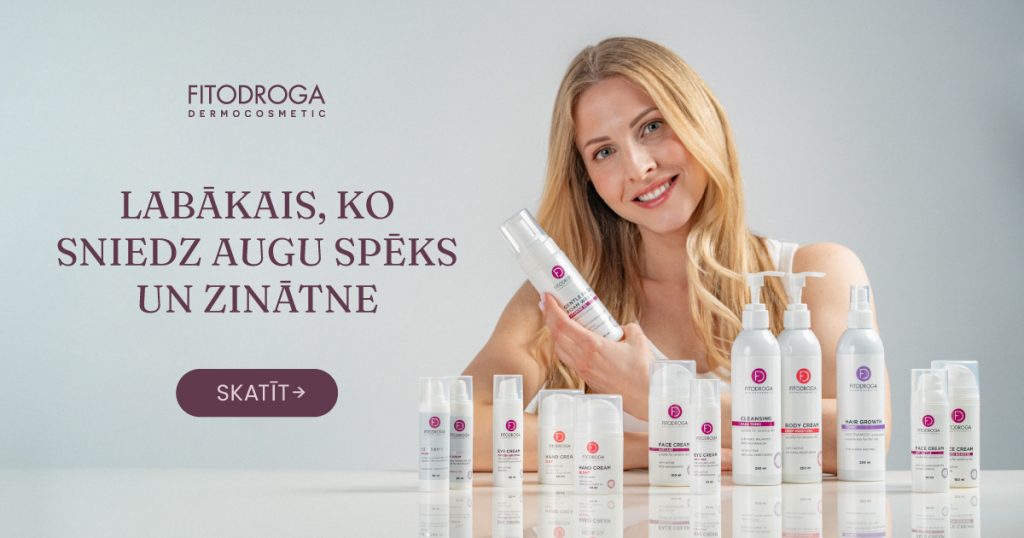
Why choose the FITODROGA DERMOCOSMETIC skincare line?
Brand FITODROGA DERMOCOSMETIC product development guidelines cover the entire spectrum of these conditions:
- ALL Fitodroga creams contain ingredients primarily designed to strengthen the skin’s natural protective barrier (squalane, Saccharide Isomerate, glycerin, vitamin E). Additionally, specific targeted products contain niacinamide (vitamin B3) and peptides, as well as patented plant extracts with proven antioxidant effects.
- The product lines have been developed primarily with the needs of sensitive skin in mind to ensure its comfort, and the products within each line, despite their different concepts, are specifically formulated to contain common ingredients, creating a complementary or synergistic effect.
- By using the recommended products correctly and consistently as part of the “three-step daily routine,” a nightly ROUTINE has been developed as a therapeutic option for women to use at home.
- The products were dermatologically tested at the J.S. HAMILTON BALTIC Ltd laboratory and confirmed as “dermatologically tested” and “suitable for sensitive skin.”
- Dermatological tests were conducted on the products under the supervision of a dermatologist, while simultaneously testing the product compatibility, as part of the FITODROGA recommended three-step program.