
Skincare After 45: What Does Your Skin Really Need?
-
By Linda

As we age, our skin changes too. Genetics, hormonal processes, skin type and environmental factors all influence how these changes appear.
Around the age of 45, changes in firmness, moisture levels and skin texture may become more noticeable. Understanding what is happening in the skin can make it easier to choose the right everyday care.
What happens to your skin after 45?
Skin may lose firmness
Collagen and elastin are important structural proteins that help maintain skin firmness and elasticity. As their synthesis slows, the skin may gradually become less firm and wrinkles can become more noticeable, including around the eyes and lips.
Skin can become drier
With age, the skin’s ability to retain moisture can decrease. Changes in the epidermis and the hydrolipid layer can also affect the skin barrier.
As a result, skin may become drier and more prone to visible lines and signs of irritation.
Pigmentation may become more noticeable
Changes in melanin production influenced by UV exposure can contribute to the appearance of hyperpigmentation.
Hormonal changes can affect the skin
During perimenopause and menopause, hormonal changes can have a significant impact on the skin. As oestrogen levels gradually decrease, the skin can become thinner, drier and more prone to inflammation.
What should you focus on in your skincare routine?
1. Support firmness
Look for skincare with peptides. The source highlights peptides as ingredients that support collagen synthesis and can help improve the appearance of skin density, firmness and wrinkles.
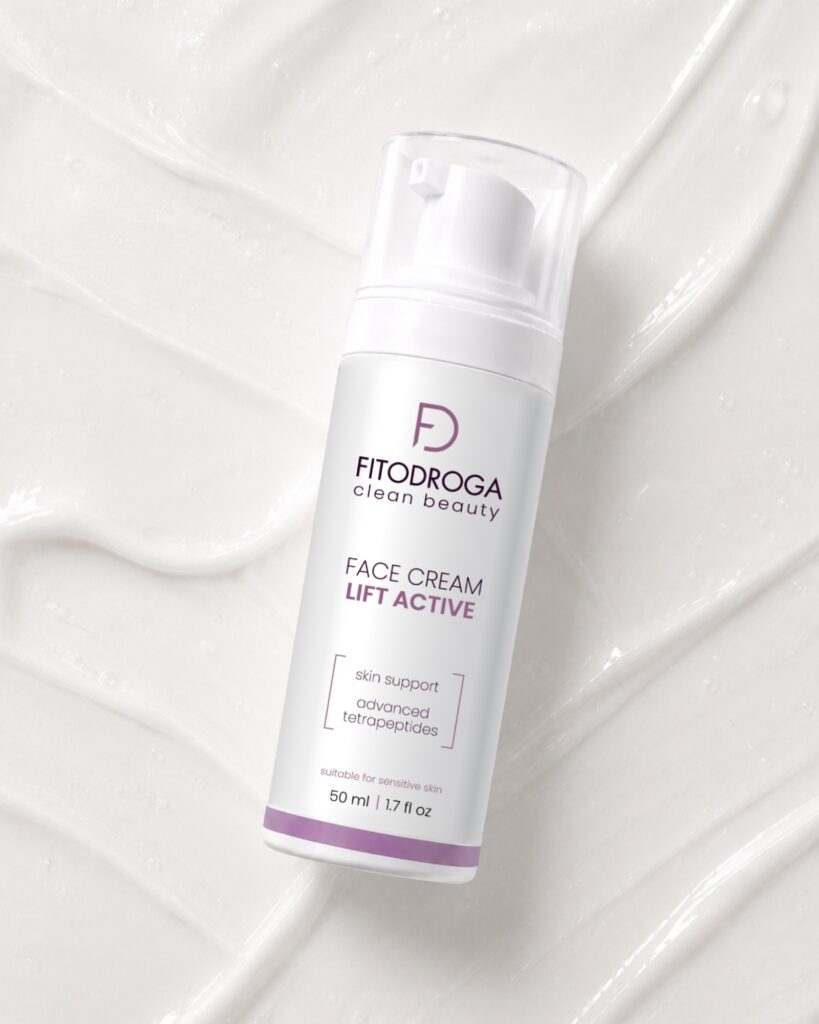
LIFT ACTIVE Face Cream
34,99 €
A firming face cream with a patented two-peptide complex that supports skin elasticity. Skin-conditioning ingredients provide long-lasting hydration and help support the skin’s natural protective barrier.
2. Don’t forget hydration
Hydration remains an important part of skincare after 45. Ingredients such as Saccharide Isomerate and hyaluronic acid can help support the skin’s moisture levels.
The original material also highlights the connection between maintaining moisture and supporting skin elasticity, comfort and the protective barrier.
3. Protect your skin from UV exposure
Daily sun protection remains important. UV exposure can contribute to visible skin ageing and pigmentation, so SPF should be part of your daytime routine.
4. Support the skin barrier
As skin becomes drier, supporting its natural protective barrier becomes increasingly important.
The original material highlights squalane as a lipid used to support the skin barrier and help maintain moisture.
5. Build a routine you can stick to
A good skincare routine doesn’t need to become more complicated with age. What matters is choosing products according to your skin’s needs and using them consistently. The source itself emphasises developing a regular everyday routine and sticking with it.
Keep your routine simple
CLEANSE → TONE → SERUM → EYE CREAM → MOISTURISE → SPF
The goal isn’t to add more and more steps. After 45, focus on what your skin needs most: firmness, hydration, barrier support and daily protection.

